The short-term economic result of the closure of the war torn Strait of Hormuz
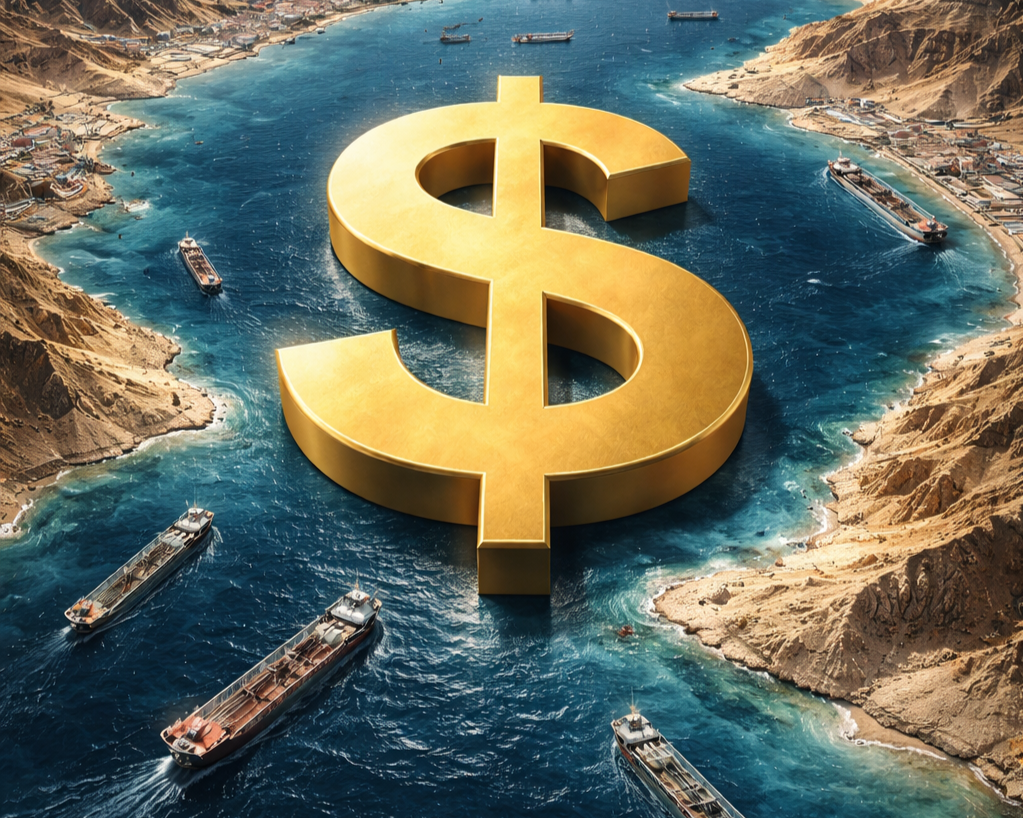
The short-term economic effects of the closure of the Strait of Hormuz are severe because the waterway is one of the world’s most important energy chokepoints.
The International Energy Agency (IEA) states that around 20 million barrels per day of crude oil and oil products moved through the strait in 2025, equal to about 25% of global seaborne oil trade, while the U.S. Energy Information Administration (EIA) similarly notes that around one fifth of global petroleum liquids consumption has recently passed through it. In the current crisis, the IEA says flows through Hormuz have fallen from roughly 20 million barrels per day to “a trickle,” making this the largest oil supply disruption in modern market history. As of 3 April 2026, Reuters also reports that Iran’s blockade has driven up global energy prices and worsened inflation, even though some neutral vessels have begun making limited crossings. (IEA. February 2026)
The first short-term effect is an immediate increase in oil and gas prices. Markets react quickly when such a large share of global supply is disrupted, even before physical shortages fully appear. Reuters reported on 2 April that U.S. crude jumped by more than 11% and Brent rose by nearly 8% after renewed threats of escalation, while an earlier Reuters report on 3 March showed Brent reaching its highest settlement since January 2025 and European gas prices spiking by as much as 40% intraday. These price movements matter because energy is a core input into transport, electricity generation, manufacturing, agriculture and home heating. A Hormuz shock therefore acts like a sudden tax on oil-importing economies, raising business costs and reducing household purchasing power. The IMF has made this point directly, arguing that for fuel-importing economies the energy shock functions as a major hit to real incomes. (Reuters. April 1, 2026)
A second short-term effect is rising inflation. Higher oil and gas prices feed into petrol, diesel, shipping, aviation fuel, electricity and food production. The IMF has said that every sustained 10% rise in oil prices can add about 0.4 percentage points to global headline inflation and reduce global output by 0.1–0.2%. In other words, the Hormuz closure is not just an energy story; it rapidly becomes a broader cost-of-living shock. UNCTAD has likewise warned that soaring oil and gas prices are likely to raise living costs and hit vulnerable households hardest. Reuters reports that the current blockade is already exacerbating inflationary pressures worldwide. (IMF. March 9, 2026)
Third, shipping and insurance costs rise sharply in the short run. Even where some cargoes can still move, war risk premiums and freight rates increase because ships face missile, drone and seizure risks. Reuters reported on 6 March that maritime insurance premiums surged as the conflict widened, increasing costs for shipowners, traders and energy firms. Lloyd’s List has also described spot-rate spikes for tankers, LNG carriers and very large gas carriers, while container freight on some conflict-linked routes has jumped sharply. This means importers pay more not only for fuel itself but also for transporting it, and those costs are then passed through supply chains. (Reuters. March 6, 2026)
Fourth, the disruption affects trade beyond oil. The World Economic Forum notes that the Hormuz crisis is also disrupting LNG and a range of non-oil commodities, including methanol, aluminum, sulfur and graphite. The Guardian, citing UN data, reports that around one third of global fertilizer trade is affected by Hormuz disruption, helping push up food prices. This matters because short-term inflation does not stop at the petrol pump. Fertilizer costs affect farming, food transport affects supermarket prices, and disrupted industrial inputs affect manufacturing output. Reuters similarly reported increases in sugar, fertilizers and soy prices alongside rising energy costs. (World Economics Forum. April 1, 2026)
Fifth, the short-term effect on economic growth is negative for most countries. The IMF argues that the closure and related damage to infrastructure have produced the largest global oil-market disruption on record. That kind of shock reduces output because firms face higher input costs, consumers cut discretionary spending, and investment decisions are delayed by uncertainty. UNCTAD has warned that trade and growth are expected to slow in 2026, while the IMF links the crisis to lower real incomes and weaker economic activity. The immediate macroeconomic risk is therefore stagflation: slower growth combined with higher inflation. (IMF. March 30, 2026)
Sixth, financial markets become more volatile. Oil shocks affect equities, bonds, currencies and inflation expectations. Reuters reported on 31 March that analysts sharply raised their 2026 oil-price forecasts, with the Reuters poll putting Brent at an average of $82.85 for the year, around 30% above February’s pre-war forecast. Reuters also reported on 1 April that Brent was still above $101 a barrel even after hopes of de-escalation. These figures show how quickly risk is repriced. Investors move away from sectors vulnerable to high energy costs while central banks face a more difficult choice between controlling inflation and protecting growth. (Reuters. March 30, 2026)
Seventh, the burden falls unevenly across countries. Energy importers in Europe and Asia are hit hardest in the short term because they face higher import bills and weaker trade balances. By contrast, some non-Gulf energy exporters may gain windfall revenues from higher prices. Yet even exporters benefit only partially, because broader financial instability and weaker global demand can offset some of the gains. The IEA notes that with traffic largely halted and bypass capacity limited, Gulf producers have already cut output by more than 10 million barrels per day, so even producing states are losing export volumes. (IEA. March 12, 2026)
In conclusion, the short-term economic effects of the closure of the Strait of Hormuz are best understood as a global energy and trade shock. The immediate consequences are higher oil and gas prices, faster inflation, higher shipping and insurance costs, disruption to commodity and food markets, slower growth, and greater financial volatility. Because Hormuz is so central to world energy flows, even a temporary closure has rapid global effects. At the moment, the evidence suggests that the world economy is already absorbing those costs, despite signs on 3 April 2026 of limited passage by some non-U.S. and non-Israeli-linked vessels. The overall short-term picture is therefore one of acute economic strain rather than adjustment back to normal conditions. (Reuters. April 3, 2026)
References
International Energy Agency (2026) Strait of Hormuz. Available at: IEA.
International Energy Agency (2026) Oil Market Report – March 2026. Available at: IEA.
International Energy Agency (2026) The Middle East and Global Energy Markets. Available at: IEA.
International Monetary Fund (2026) Coping and Thriving in a Fluid World. Available at: IMF.
International Monetary Fund (2026) ‘How the War in the Middle East Is Affecting Energy, Trade and Finance’. Available at: IMF Blog.
Reuters (2026) ‘Global energy costs soar as Iran crisis disrupts shipping, oil and gas production’, 3 March.
Reuters (2026) ‘Maritime insurance premiums surge as Iran conflict widens’, 6 March.
Reuters (2026) ‘Iran war shock drives steepest hike yet in oil price forecasts’, 31 March.
Reuters (2026) ‘Front-month Brent oil futures extend gains after record monthly rise’, 1 April.
Reuters (2026) ‘US crude jumps more than 11%, Brent nearly 8% after Trump vows more attacks on Iran’, 2 April.
Reuters (2026) ‘US intelligence warns Iran unlikely to ease Hormuz Strait chokehold soon’, 3 April.
Reuters (2026) ‘Japanese, French and Omani vessels cross the Strait of Hormuz’, 3 April.
U.S. Energy Information Administration (2025) ‘Amid regional conflict, the Strait of Hormuz remains critical for global oil flows’. Available at: EIA.
UNCTAD (2026) Strait of Hormuz disruptions: Growth and financial implications. Available at: UNCTAD.
World Economic Forum (2026) ‘Beyond oil: 9 commodities impacted by the Strait of Hormuz closure’. Available at: World Economic Forum.